

You can't see it, smell it, or taste it. Your family breathes it.
Radon is the leading cause of lung cancer among people who have never smoked. We find it, we fix it, and we prove it's gone. Every system we install is guaranteed to bring your home below 3.0 pCi/L, and we aim for under 2.0.
Our guarantee, on every home we mitigate
Vapor intrusion and VOC mitigation.
Radon isn't the only gas that comes up out of the ground. When soil or groundwater is contaminated, volatile organic compounds (VOCs) can travel up through the soil and into the building above, the same way radon does. That's called vapor intrusion, and Russell mitigates it too.
It's the work his background is built on: more than 20 years of soil vapor extraction, pulling contaminated vapor out of the ground.
VOCs from contamination
Vapors from fuels, solvents and other chemicals in the soil or groundwater can work their way into the building above.
Soil gases besides radon
The same pressure differences that pull radon inside pull other soil gases in through the same cracks and openings.
Stopped at the source
Pull the soil gas out from under the building and vent it outside before it can come in.
The second leading cause of lung cancer in America.
Radon is a naturally occurring radioactive gas released as uranium breaks down in soil and rock. It seeps up through foundation cracks, sump pits and crawlspaces, and concentrates inside the homes we seal tight to save energy.
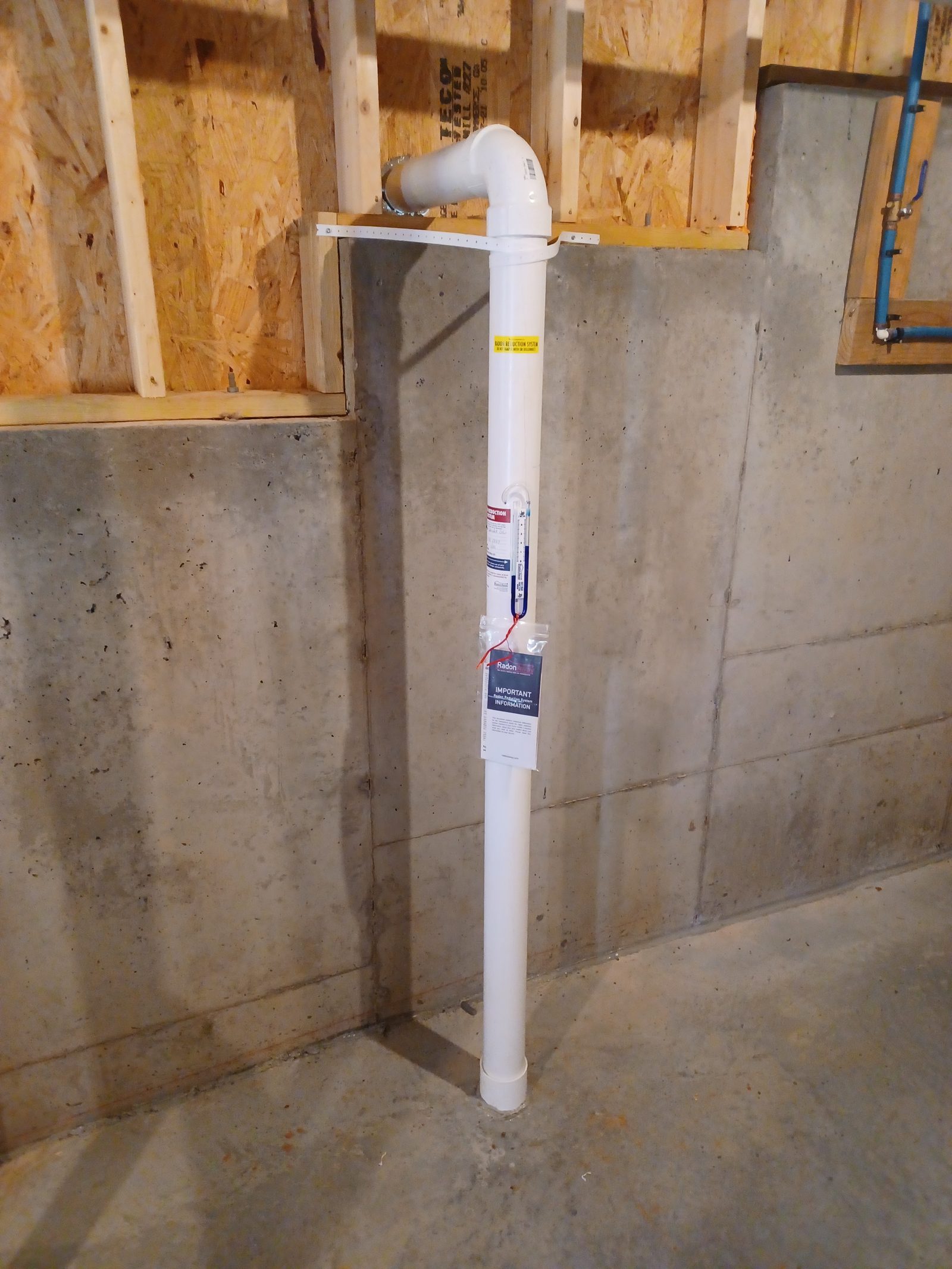
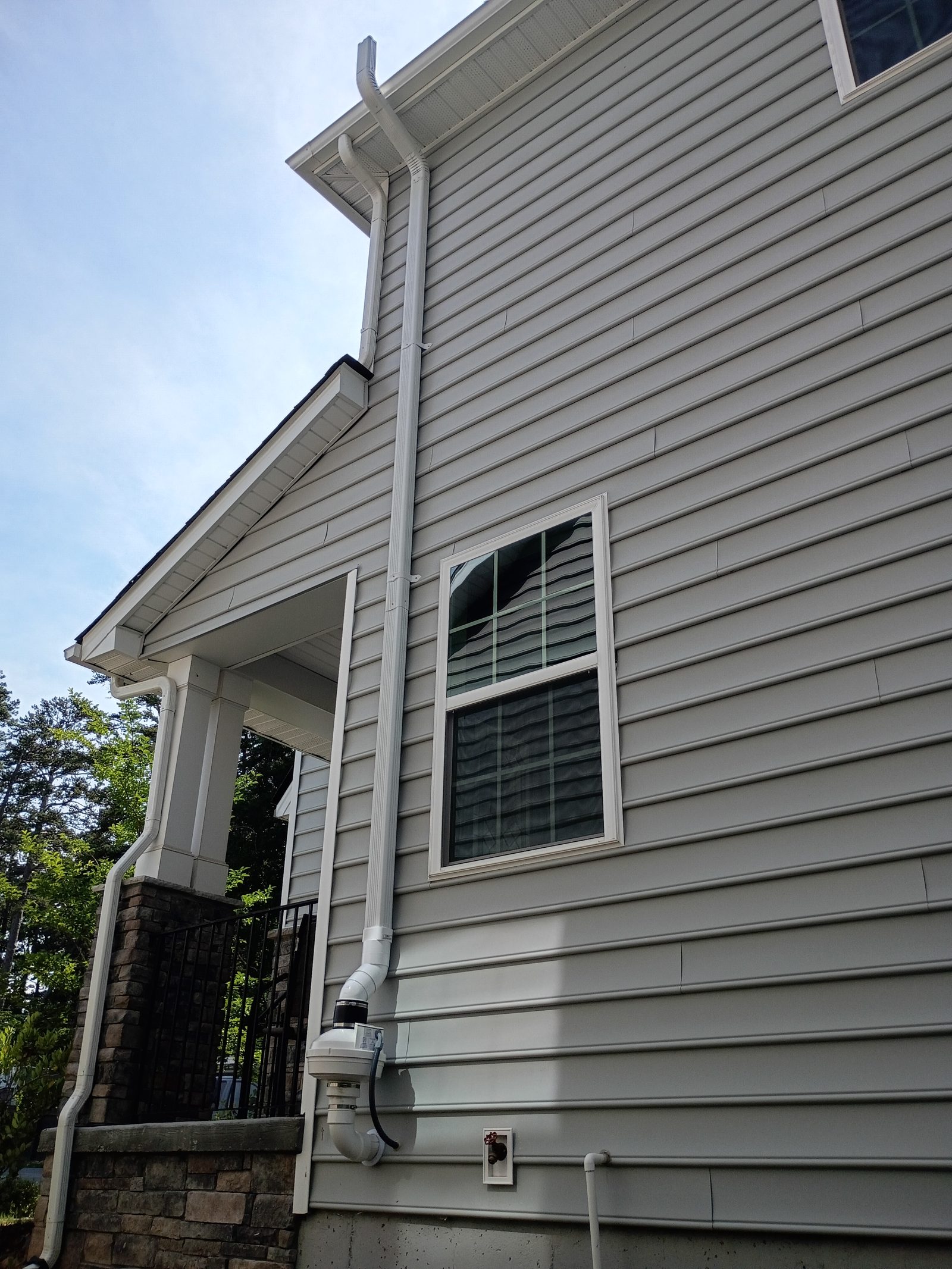
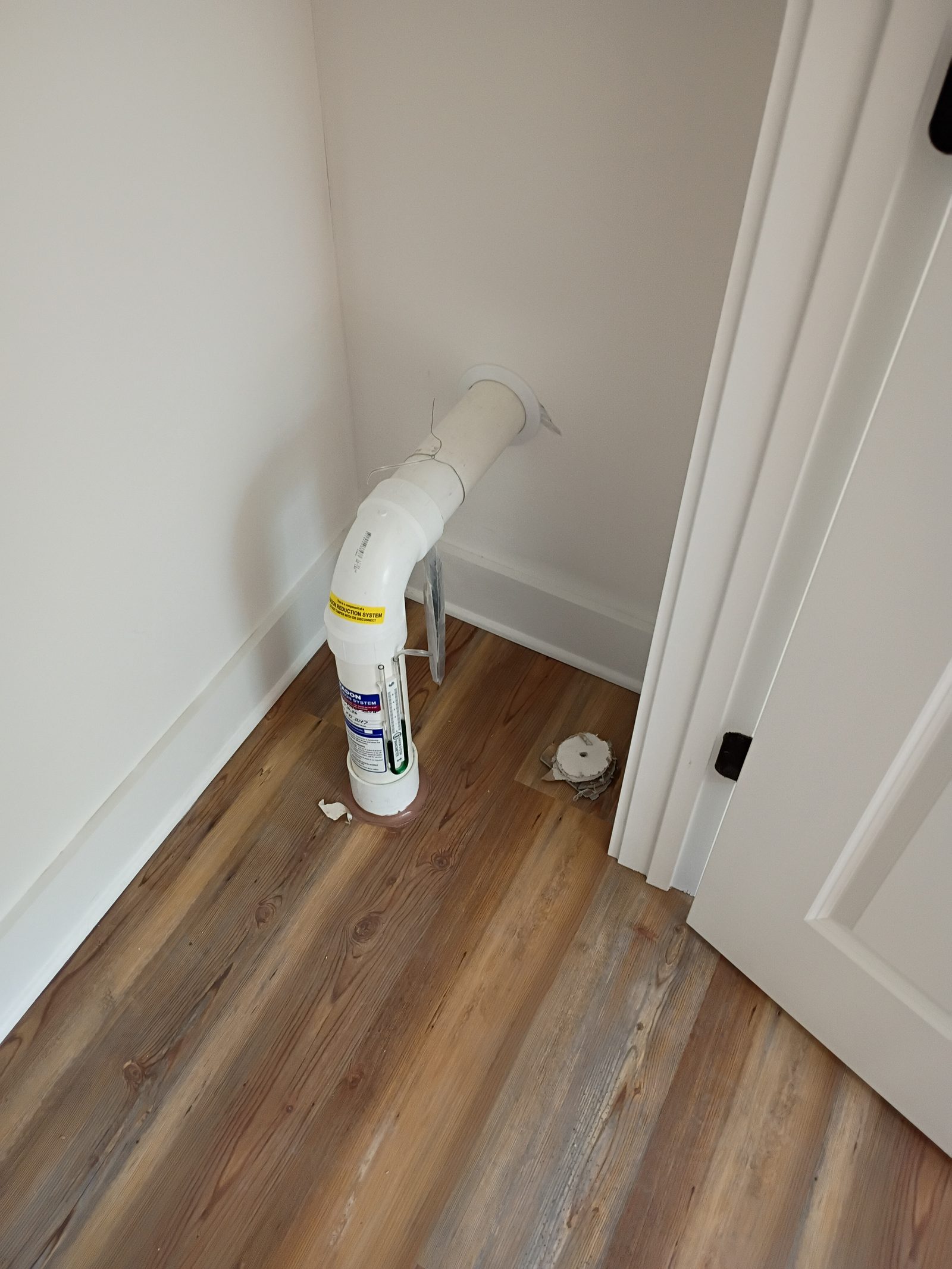
A mitigation system stops it at the source: a sealed pipe from under the slab, a fan, and a discharge above the roofline.
The EPA action level. At or above this reading, the EPA recommends fixing your home. We don't stop there: our systems are guaranteed below 3.0.
Source: U.S. EPAEstimated radon-related lung cancer deaths in the United States every year, more than drunk driving fatalities.
Source: U.S. EPA estimateThe EPA's estimate of U.S. homes with elevated radon levels. The only way to know if yours is one of them is to test.
Source: U.S. EPA"We're a low-risk zone. I don't need to test."
It's the most common thing we hear in Charlotte, and it's the reason so many local homes go untested for decades. Mecklenburg County is designated EPA Radon Zone 3, the lowest of the three tiers. Here's what that designation actually means.
Test My HomeIt is not a measurement of your house.
Zone maps are county-wide predictions built from geology and limited sampling. They were never designed to tell an individual homeowner whether their home is safe.
Zone 3 does not mean "no radon."
The EPA recommends testing every home in every zone. Elevated readings turn up in Zone 3 counties across North Carolina, including here.
Two houses on one street can differ wildly.
Foundation type, soil, drainage, HVAC and how tightly the home is sealed all change the reading. Your neighbor's clean test says nothing about yours.
A test costs a fraction of the alternative.
A few days with a continuous monitor gives you a number instead of an assumption. If it's low, you sleep easy. If it isn't, we fix it.
Testing, mitigation, and proof it worked.
One person from the first reading to the final verification. No handoffs, no subcontractors, no guessing.
Radon Testing
Short-term and long-term testing with a continuous monitor, not a hardware-store kit. You get a documented, defensible written report.
Learn more →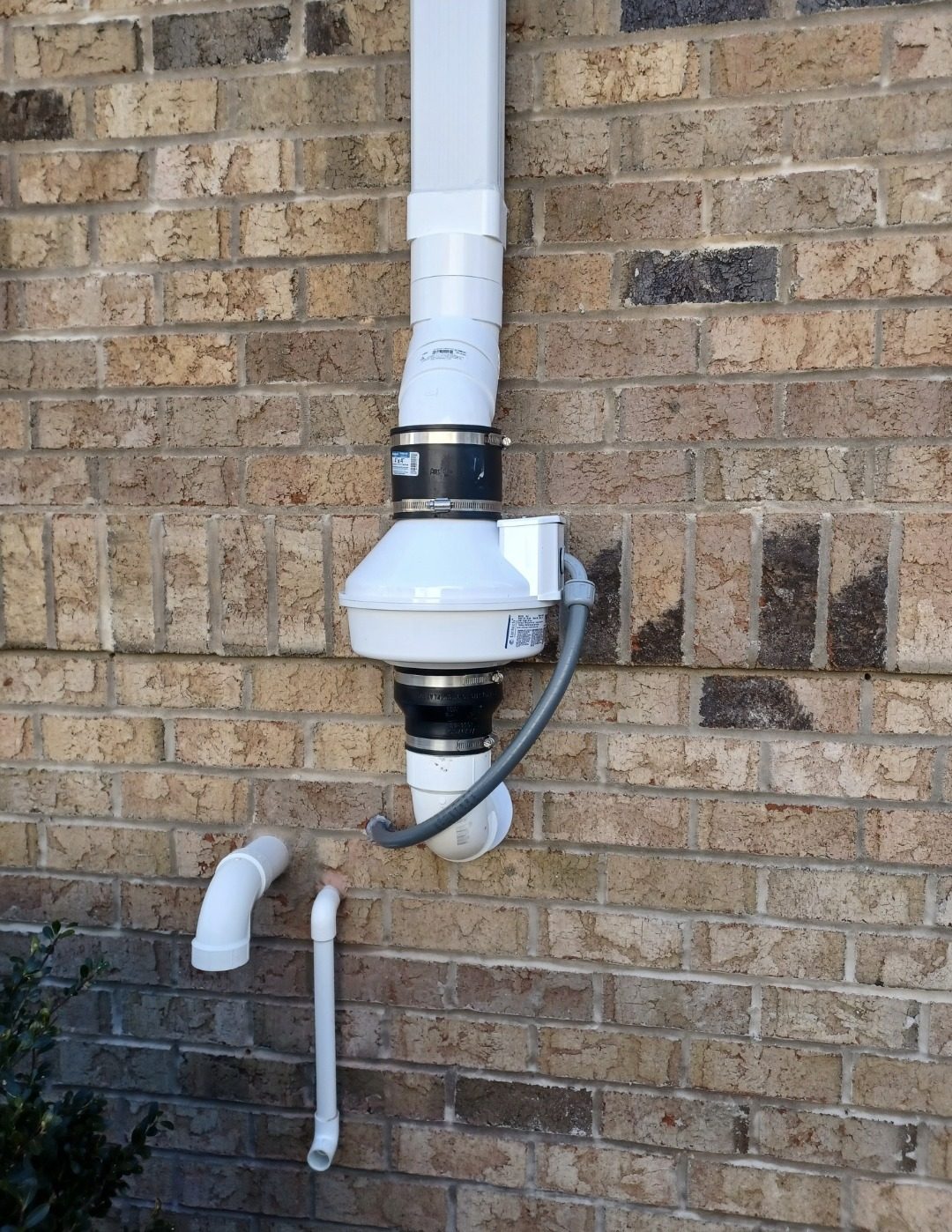
Radon Mitigation
Sub-slab or sub-membrane depressurization designed for your foundation. Guaranteed below 3.0 pCi/L, and we aim for under 2.0.
Learn more →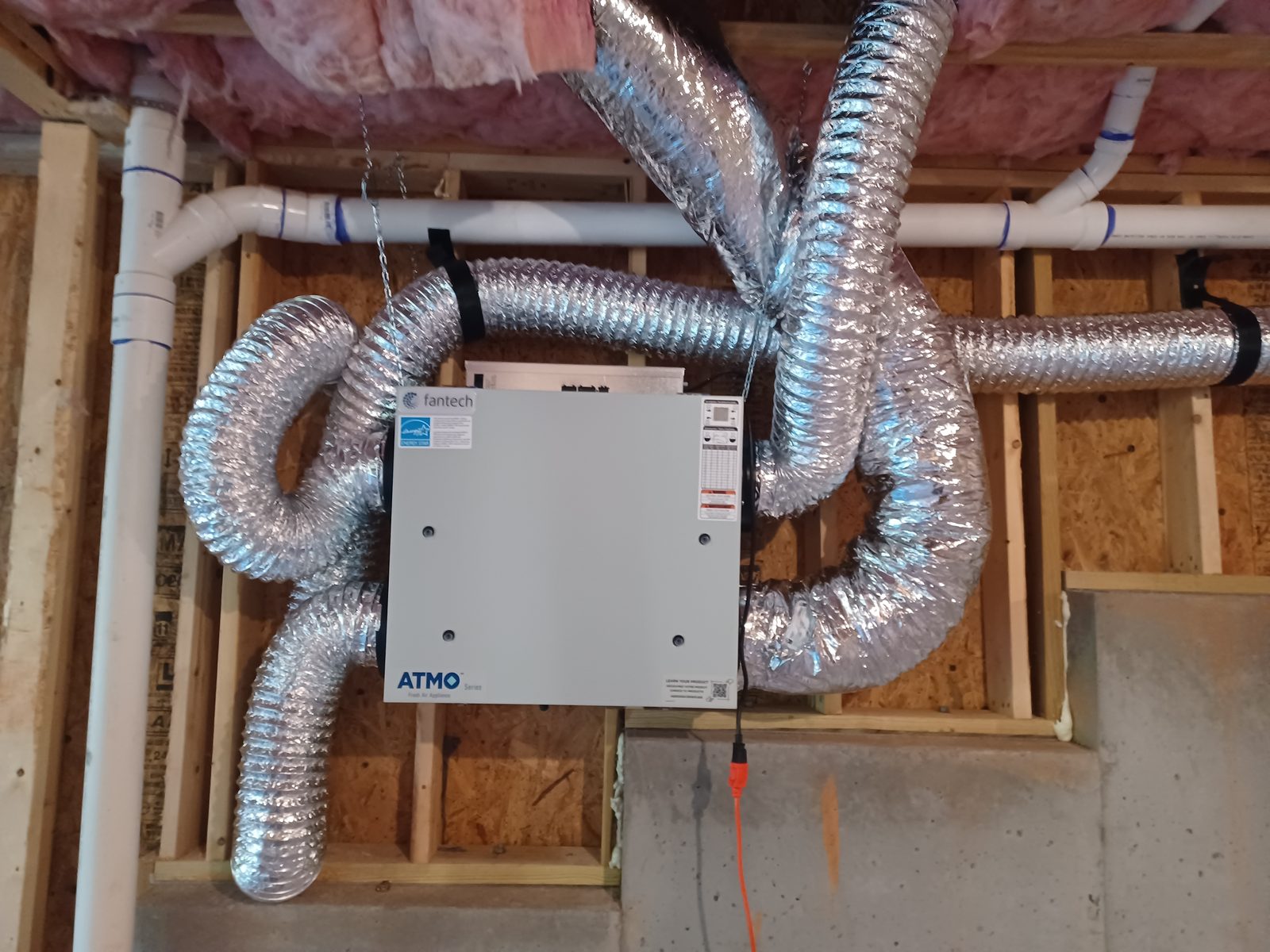
ERV Installation
Energy recovery ventilators bring fresh outside air into tightly sealed homes without throwing away the heating and cooling you paid for.
Learn more →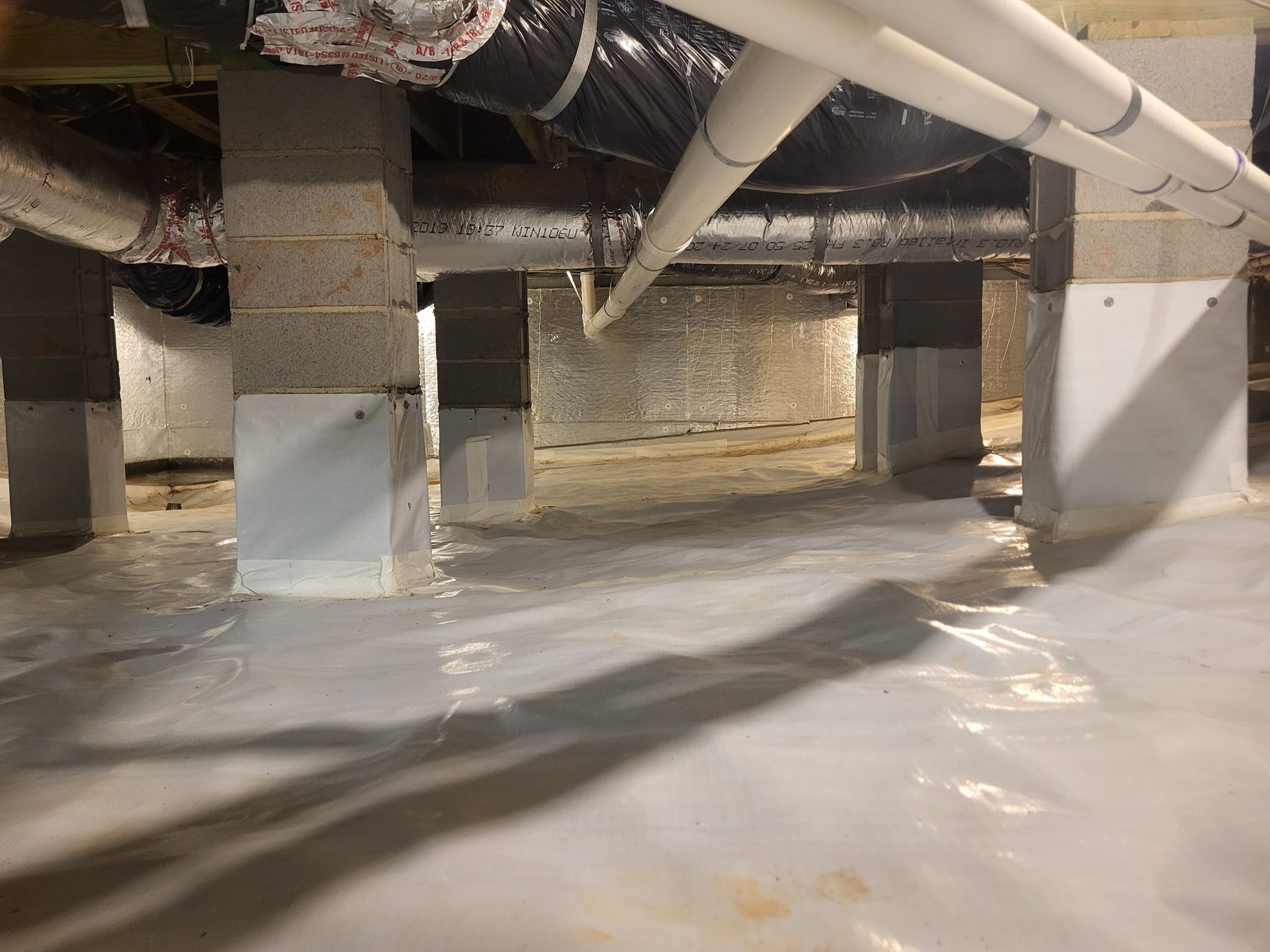
Crawl Space Membranes
A new sealed membrane over the crawl space floor, with piping underneath and a fan that pulls radon out before it reaches the rooms above.
Learn more →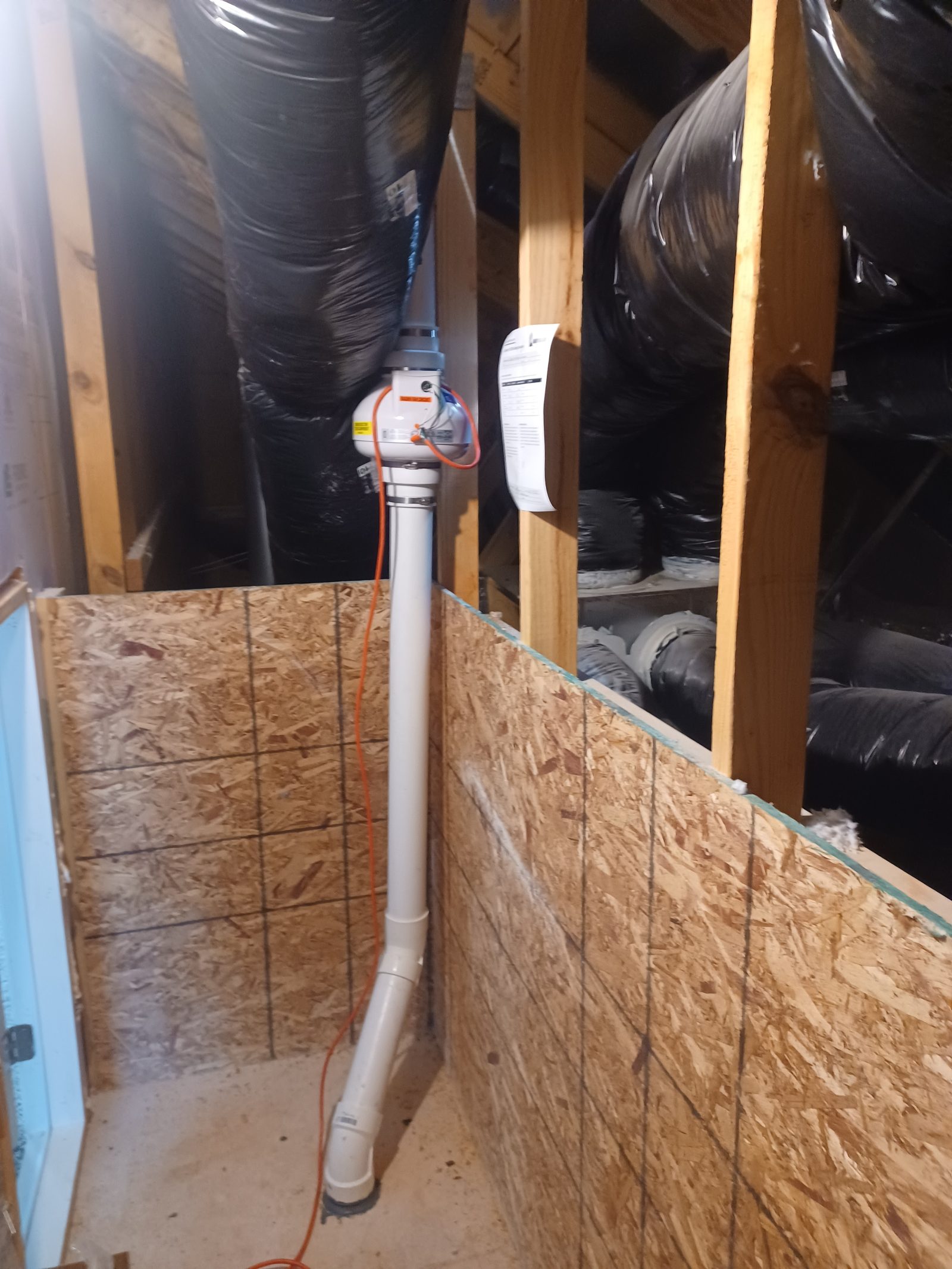
Fan Replacement & System Service
Inherited a system that hums, leaks, or reads flat on the manometer? We diagnose it, replace the fan or repair the system, and re-test.
Learn more →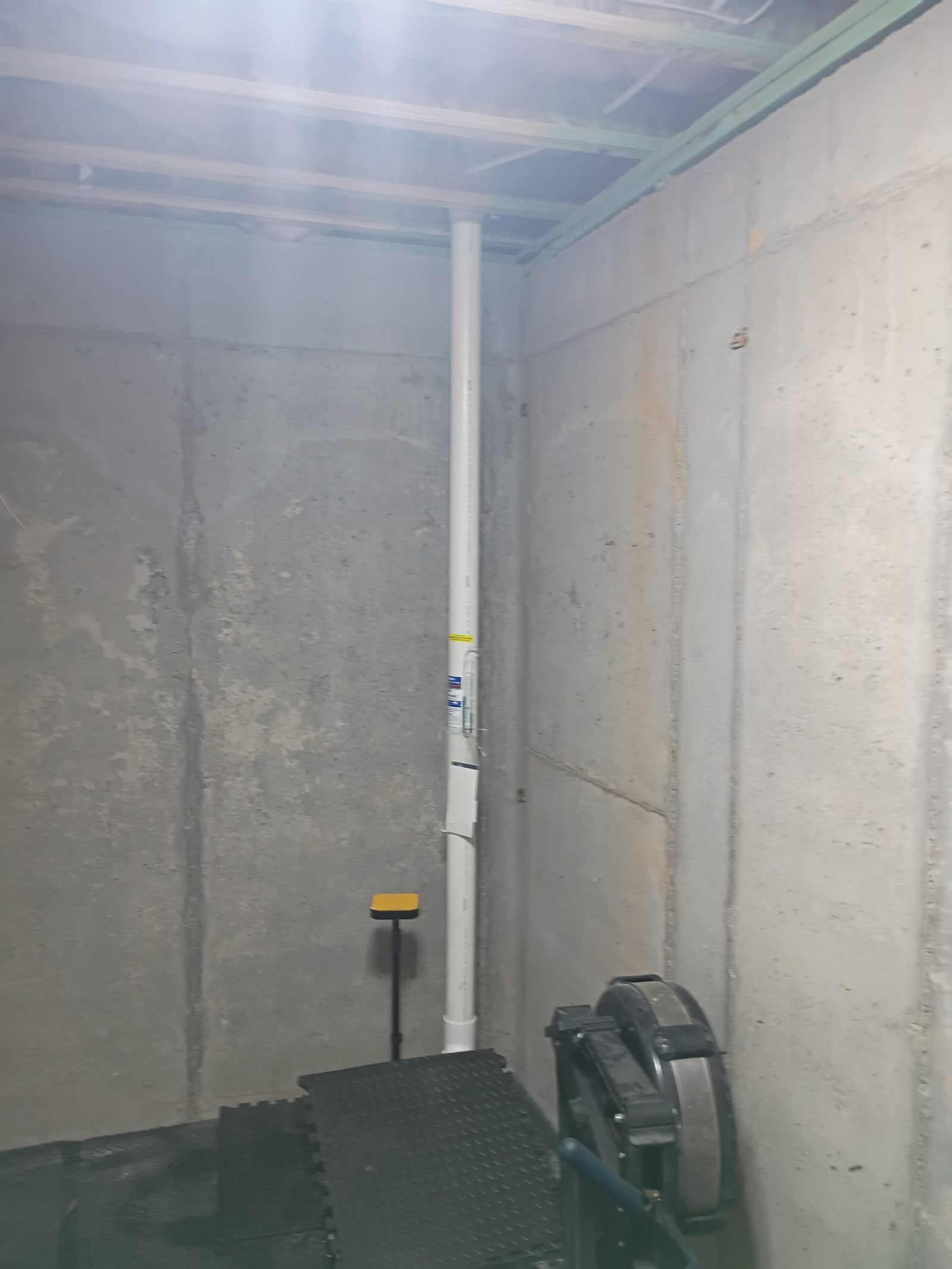
Sump Pump Cover Sealing
An open sump pit is a direct path for soil gas. A sealed, gasketed cover closes it while keeping the pump serviceable.
Learn more →Four steps from unknown to resolved.
Test
We place a continuous radon monitor in the lowest lived-in level of your home and collect hour-by-hour data.
Review
You get a plain-English report with your number, what it means, and an honest recommendation, including "you don't need us."
Mitigate
If levels are elevated, we design and install a system matched to your foundation. Most installations are done in a single day.
Verify
We re-test after the system is running and hand you written proof your home is below 3.0 pCi/L.
Below 3.0 pCi/L, guaranteed. We aim for under 2.0.
The EPA action level is 4.0 and most companies guarantee that number. If a system we install doesn't bring your home below 3.0 on the post-mitigation test, we come back and keep working at no additional charge until it does.
or we return
Charlotte homeowners, in their own words.
5.0 from 10 Google reviews · Read them all on Google
Russel at Professional Radon Solutions is outstanding.
He recently installed a radon mitigation system and an ERV at our home, and I couldn’t be happier with the results. From start to finish, Russel was extremely professional, explained the process clearly, and delivered high-quality workmanship. The installation was neat, efficient, and done right the first time. On top of that, his pricing was the best we found—excellent value without compromising quality.
I highly recommend Russel and Professional Radon Solutions to anyone needing radon mitigation or ventilation solutions. You’ll be in great hands!
I would highly recommend professional radon solutions. Russell took the time needed to make sure my radon mitigation system was working, doing all the proper tests and processes to ensure my home was safe. He truly went above and beyond, doing what was needed to complete the job right even given my old home with difficult variables. The price was very competitive and I would say is a value for the system and care I received.
Clean, professional, would recommend to anyone needing this service
Had us out to your home? A quick Google review helps your neighbors find us.
Leave us a Google reviewUnder contract? We won't be the reason it slips.
Radon shows up late in a deal and everyone panics. We're built for that window: quick placement, quick pickup, and documentation your client's lender and attorney will accept.
- ✓ Priority scheduling for homes under contract
- ✓ Clear written reports, delivered same day as pickup
- ✓ Straight answers for nervous buyers. Have them call.
- ✓ Mitigation quotes fast enough to negotiate against
Day 0: you call us
We schedule placement, usually within 24 to 48 hours.
Day 2 to 3: test runs
Continuous monitor collects closed-house data.
Day 3: report in hand
Written results the same day we pick up the device.
Day 4+: quote or clear
If mitigation is needed, you have a number to work with immediately.
What homeowners ask us most.
Radon is a colorless, odorless radioactive gas produced as uranium naturally decays in soil and rock. It moves up through the ground and enters buildings through foundation cracks, construction joints, sump pits, crawlspaces and gaps around pipes, then accumulates indoors, especially in lower levels.
A professional short-term test typically runs 48 hours under closed-house conditions. We place a continuous monitor, return to retrieve it, and deliver your written results, usually the same day we pick up the device.
Yes. EPA zone maps are county-level predictions based on geology, not measurements of individual homes. The EPA recommends testing every home regardless of zone, because levels vary dramatically house to house, even between neighbors on the same street.
The most common approach is sub-slab depressurization. We create a suction point beneath your foundation, seal the obvious entry routes, and use a purpose-built fan to draw soil gas up through sealed piping and discharge it safely above the roofline, before it ever reaches your living space. Crawlspaces get a sealed membrane with the suction point under it.
Yes. Russell also mitigates vapor intrusion, where VOCs and other soil gases from contaminated soil or groundwater get into a building. He also installs ERVs, crawl space membranes and sump pump covers, and services existing radon systems. More on vapor intrusion.
An energy recovery ventilator swaps stale indoor air for fresh outdoor air while transferring most of the heat and humidity between the two streams, so you get ventilation without the energy bill of an open window. Tightly built, well-sealed homes often need one. It's a separate service from radon mitigation, and we install both. More on ERVs.
Yes. Crawl spaces get a new sealed membrane over the soil with piping underneath, connected to a fan that vents the radon above the roofline. If there's an old torn vapor barrier down there, we replace it. More on crawl spaces.
Most residential systems are installed in a single day. A properly sized, correctly mounted fan is quiet; many homeowners forget it's running. If an existing system in your home is noisy, that usually points to an installation or sizing problem we can correct.
Pricing depends on your foundation type, the layout of the home and the level we're bringing down. We give you a firm number in writing after we understand the property. Estimates are free.
Yes, and we do it for you as part of the job. Beyond that, the EPA recommends re-testing every two years, and after any major renovation, foundation work or HVAC change that could alter airflow in the home.
Your home has a number.
Let's find out what it is.
Free estimates, professional testing, and a mitigation guarantee in writing. Serving Charlotte, the surrounding counties, and into South Carolina.